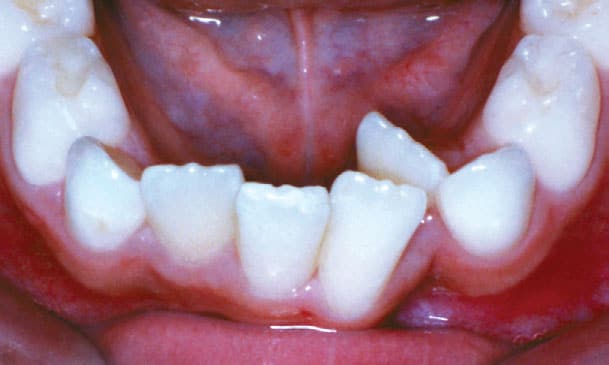
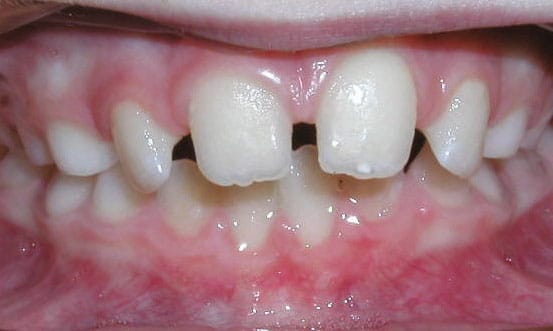
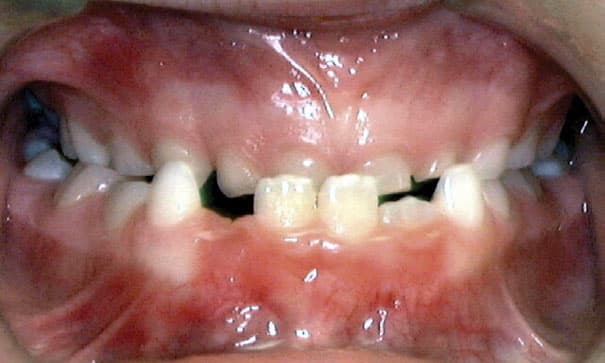
Very few people are born with a naturally perfect smile. Many children, teens, and adults experience some form of malocclusion, or “bad bite,” which can affect chewing, speaking, oral hygiene, and overall confidence. These issues may be inherited, or they can develop from habits like thumb sucking, poor dental hygiene, dental disease, accidents, or certain medical conditions.
Understanding the type of orthodontic problem you or your child may have is the first step toward finding the right solution. With personalized treatment from Dr. Jessica Hedger, you can achieve a healthier bite and a more balanced, confident smile.
Below are some of the most common orthodontic concerns we treat:
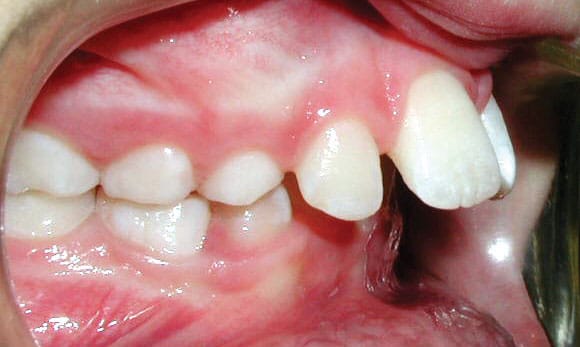
Upper Front Teeth Protrusion
When the upper teeth extend too far forward, or the lower teeth don’t extend forward enough, it affects both appearance and function. This bite can also increase the risk of injury to the front teeth. Orthodontic care can help guide the teeth and jaws into better alignment.
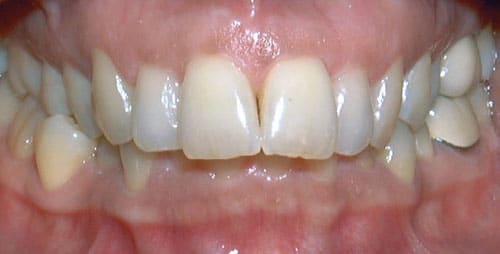
Overbite
An overbite occurs when the upper front teeth overlap the lower teeth too much. In severe cases, the lower teeth may bite into the roof of the mouth, causing discomfort and potential damage. Treatment can improve both the function and the balance of your smile.
Crossbite
With a crossbite, the upper teeth sit inside the lower teeth instead of outside. This can lead to uneven wear and may contribute to misaligned jaw growth. Correcting a crossbite helps protect teeth and encourages proper jaw development.
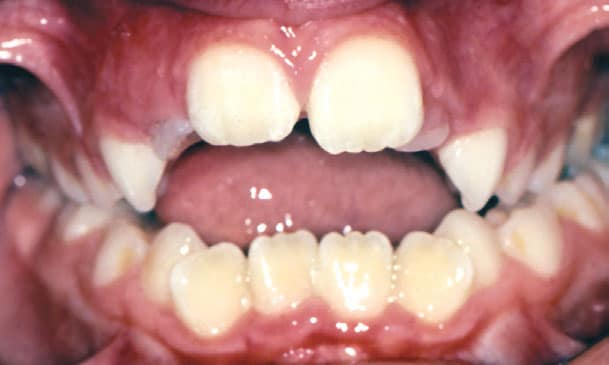
Open Bite
An open bite prevents the upper and lower front teeth from meeting when the mouth is closed. This often impacts chewing and may encourage habits such as tongue thrusting. Orthodontic treatment can improve function and create a healthier bite.
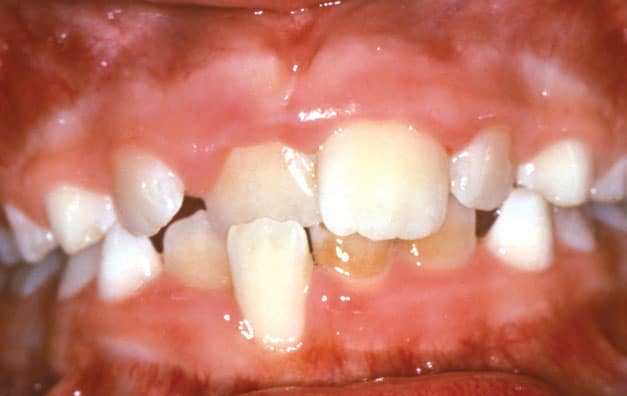
Crowding
Crowding happens when teeth don’t have enough space to come in properly. Expansion or other orthodontic techniques can often resolve this without the need for extractions. Addressing crowding makes brushing easier and helps maintain long-term oral health.
Spacing
Spaces between teeth may occur due to missing teeth or simply because the teeth are too small for the jaw. While sometimes only cosmetic, spacing can affect both appearance and function. Closing gaps enhances your smile and helps keep teeth properly supported.
Underbite
In an underbite, the lower jaw extends forward so the bottom teeth sit in front of the upper teeth. This can cause difficulty with chewing, speaking, and jaw function. Early treatment often provides the best results and supports long-term oral health.
Frequently Asked Questions
Orthodontic problems can look and feel different for every patient, and it’s normal to have questions once you learn about a bite issue. Many families want to understand what causes malocclusions, how serious they are, and when treatment should begin. Here, you’ll find clear answers to the most common questions people ask when exploring orthodontic concerns for themselves or their children.
How do I know if my child has a bite problem that needs treatment?
Signs include crowding, difficulty chewing, mouth breathing, speech concerns, or teeth that don’t meet properly. An orthodontic evaluation is the easiest way to confirm whether treatment is needed.
Can malocclusion cause headaches or jaw discomfort?
Yes. Certain bite issues—like crossbites or underbites—can strain facial muscles and joints, which may contribute to headaches, jaw tension, or TMJ concerns.
Are orthodontic problems always genetic?
Not always. Habits like thumb sucking, mouth breathing, early tooth loss, and certain medical conditions can also lead to bite issues.
Can orthodontic problems get worse if they aren’t treated?
Yes. Bite problems can lead to uneven tooth wear, gum recession, increased risk of injury, and difficulty cleaning teeth properly. Early treatment often prevents future complications.
Do all bite problems require braces, or are there other options?
Treatment varies. Braces, clear aligners, expanders, growth-modification appliances, or combination therapies may be recommended depending on the severity of the issue.